
Getting outside
I’m really good at doing things I love when they become a habit—and not as good at being spontaneous. I love walking outside, whether it is a hike, a local trail, or the beach. But I have a really bad sense of direction, so I tend to not be overly adventurous on my own, and I’m not great at planning. Over the years, that’s meant I’m not out exploring as much as I’d like.
I’m fixing that by giving myself a project— something that makes the deciding easier and something that I’ll commit to. By the end of the year, I’m going to walk all of the Essex County Greenbelt properties.
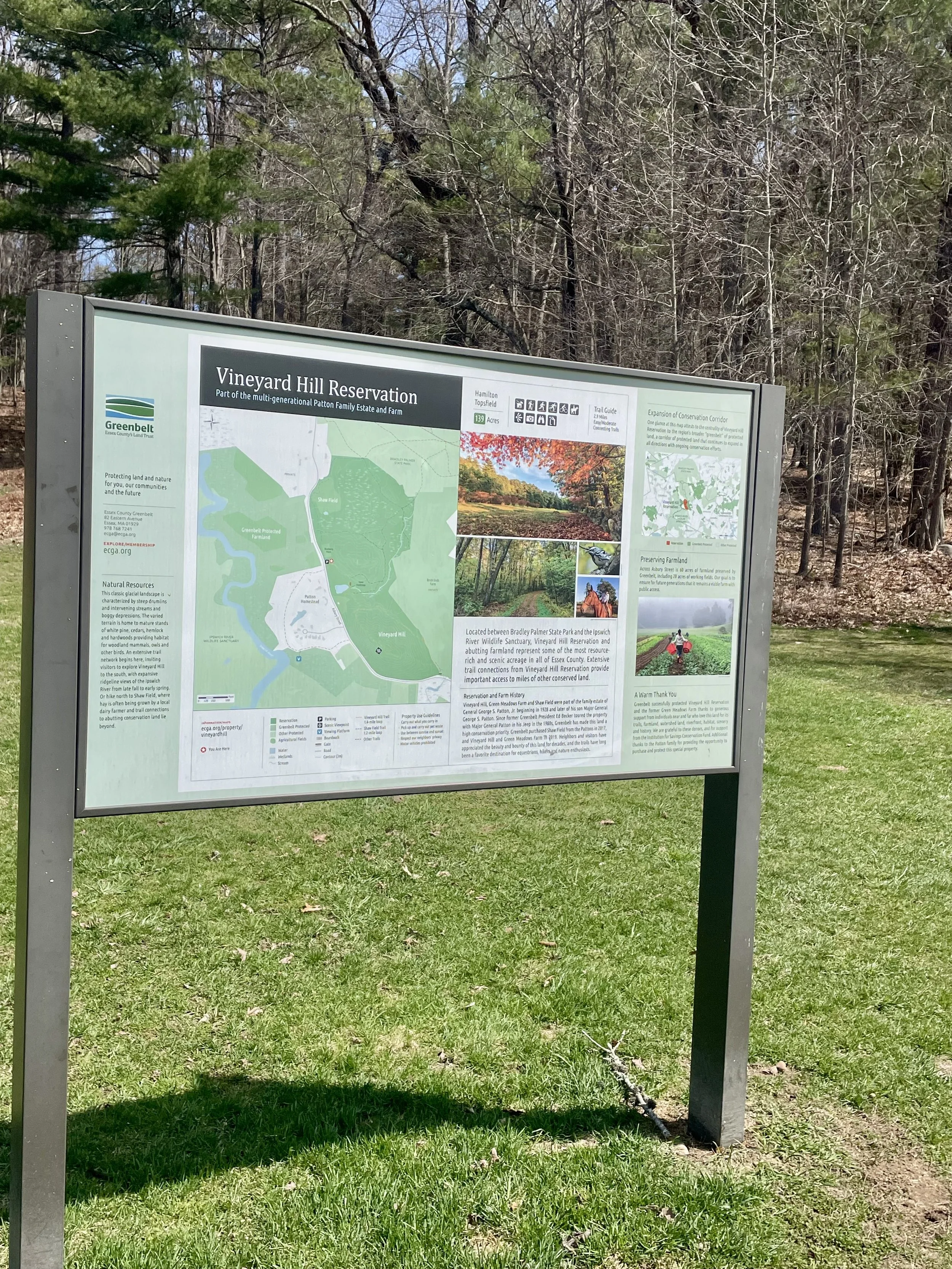
Vinyard Hill Reservation
Asbury Street. South Hamilton.
Walk #1
This one is close to home, so it was easy to work into a full weekend. I used the Greenbelt Go app—when I had a signal—to get myself back on track after wandering off the trail a bit (there is an adjacent trail that will take you to Bradley Palmer). Just as I got started, I saw a mourning cloak butterfly! My first butterfly of the season.
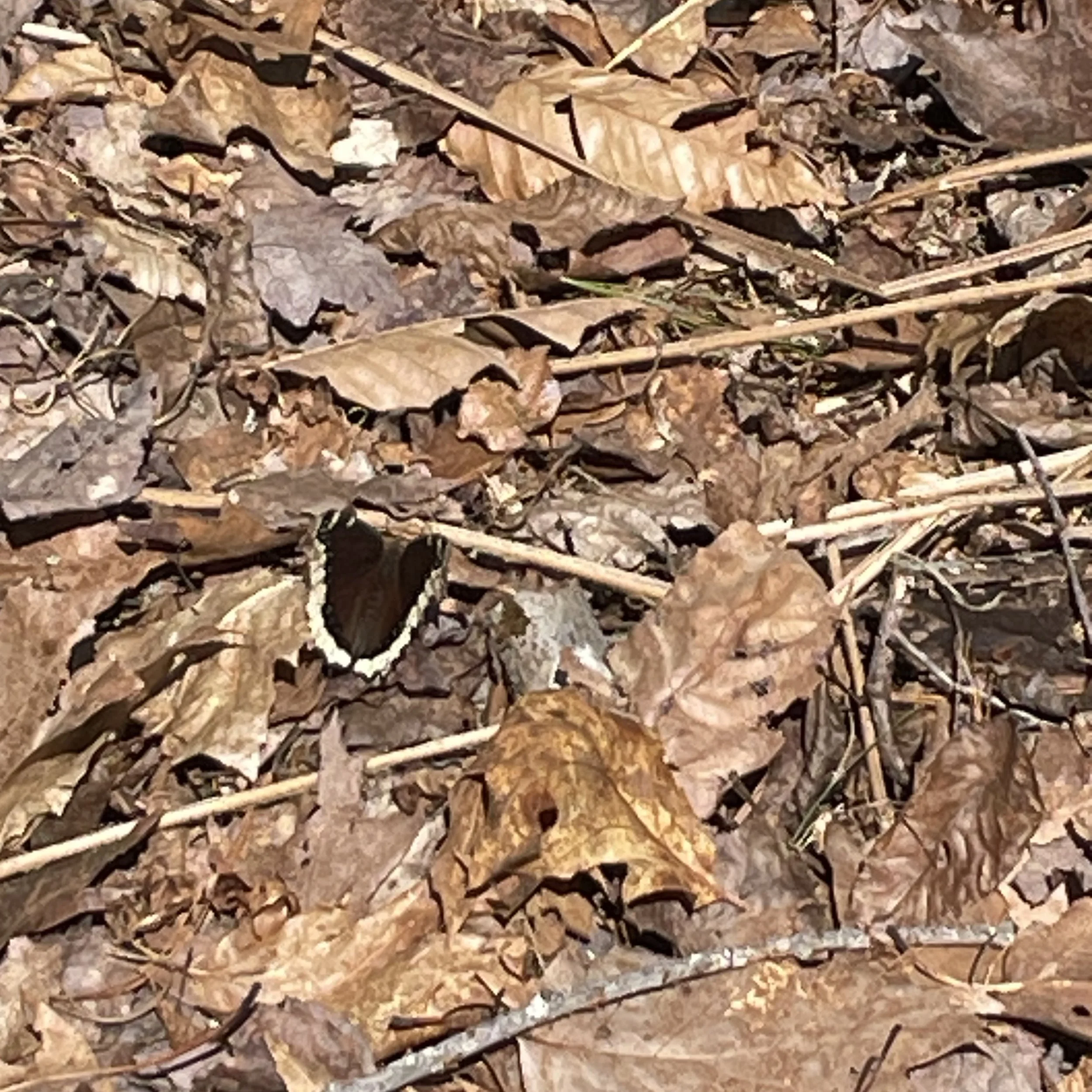
Mourning cloaks are among the first butterflies that we see in the spring. Why? Because the adults overwinter here in hollow trees and wood piles. For detailed information on these and other Massachusetts butterflies go to Mass Audubon’s website and look for the Butterfly Atlas.
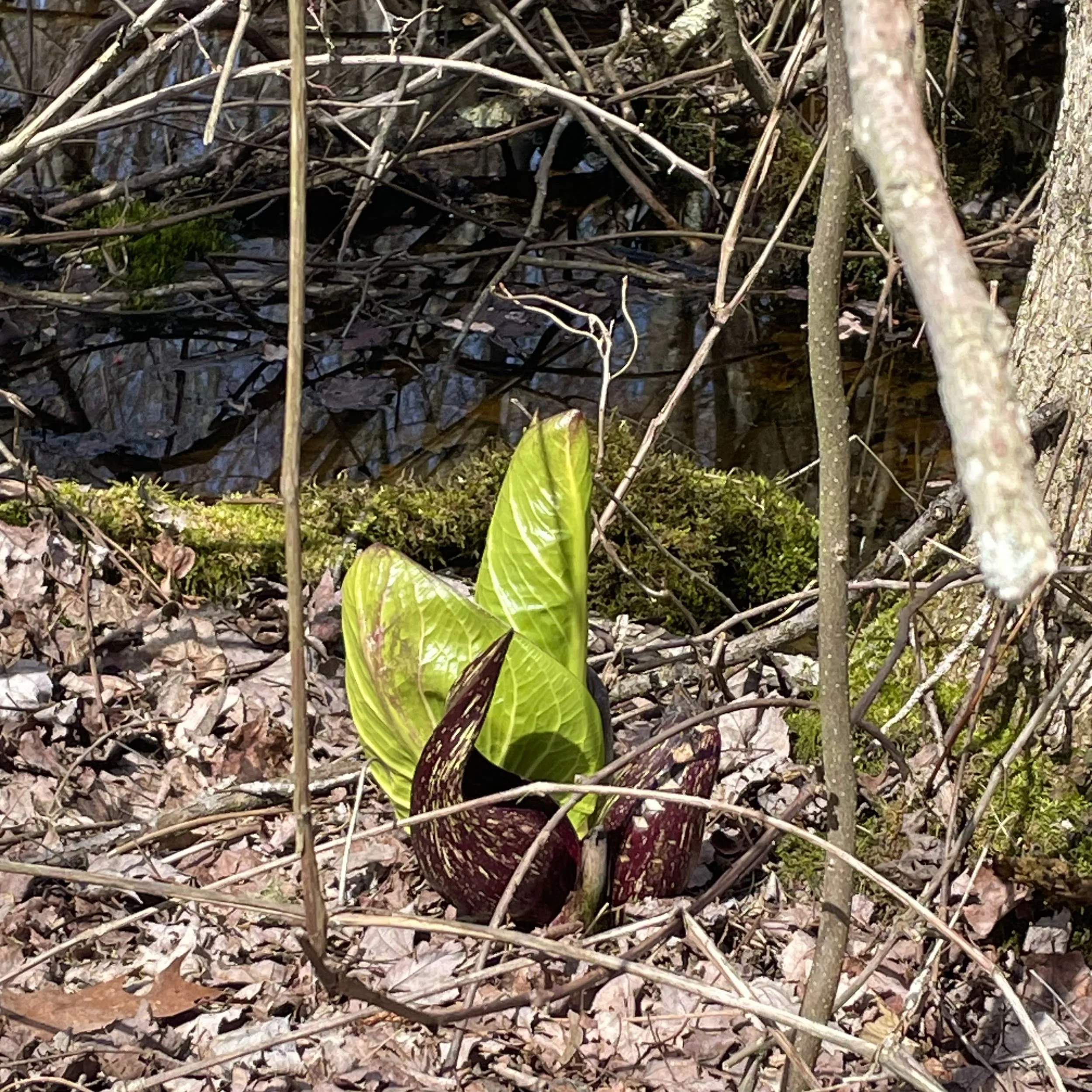
One of the reasons I love walking locally is that, in areas with strong native plant populations, I can observe how plants naturally grow—and use that to inform my planting choices for residential gardens.
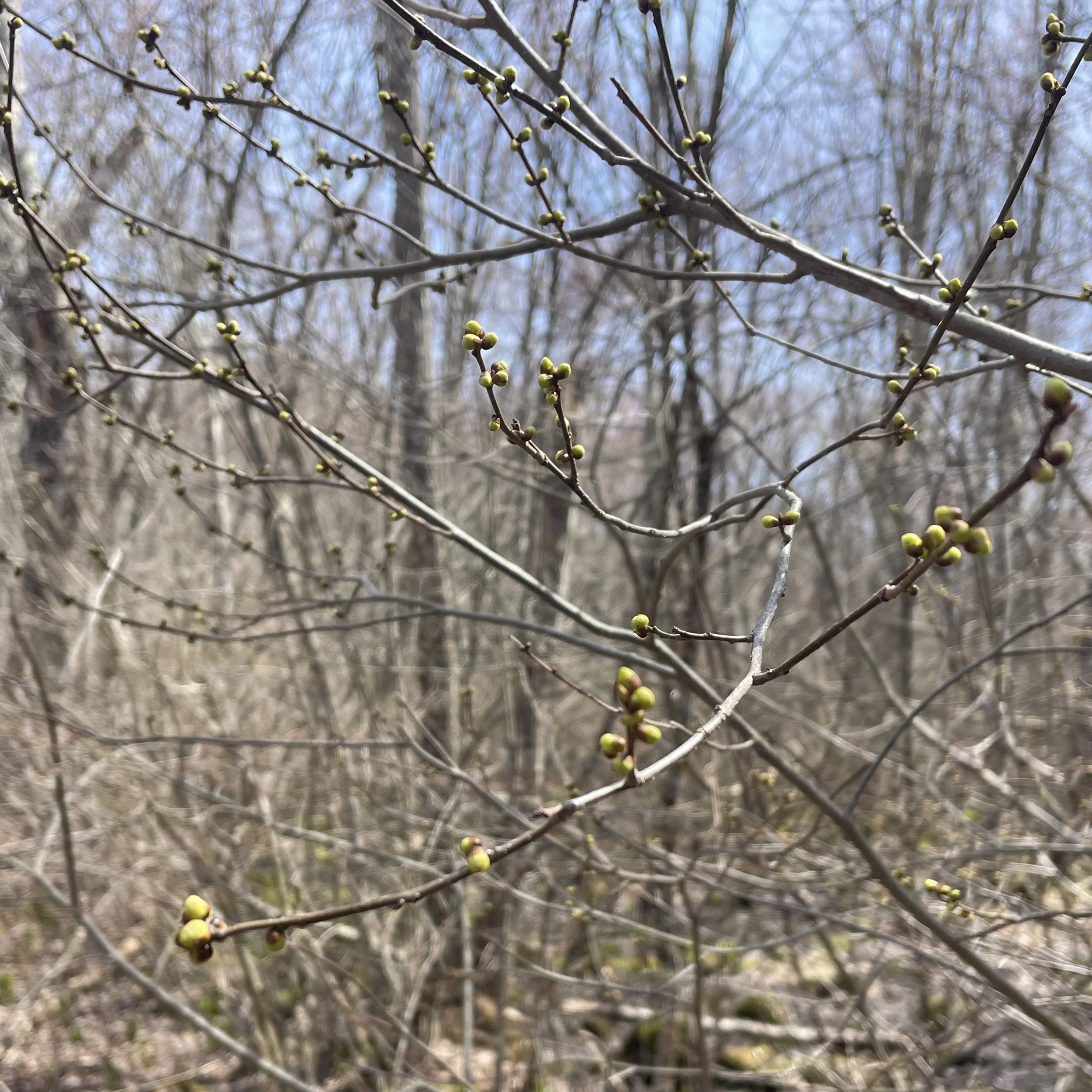
On this walk, I saw that Clethra (sweet pepperbush) and Lindera (spicebush), both classified as wetland shrubs, tolerate seasonal standing water with ease. They also adapt well to drier conditions, making them incredibly versatile in garden design.
This is exactly the kind of observation that shapes how I design gardens—working with your site’s natural conditions rather than against them. If you’re thinking about your own gardens this season, I’m currently booking new projects and would love to hear about it.
Thank you for reading.
